Seven Minutes Before the Scroll: A Gentler Start for Dark Mornings
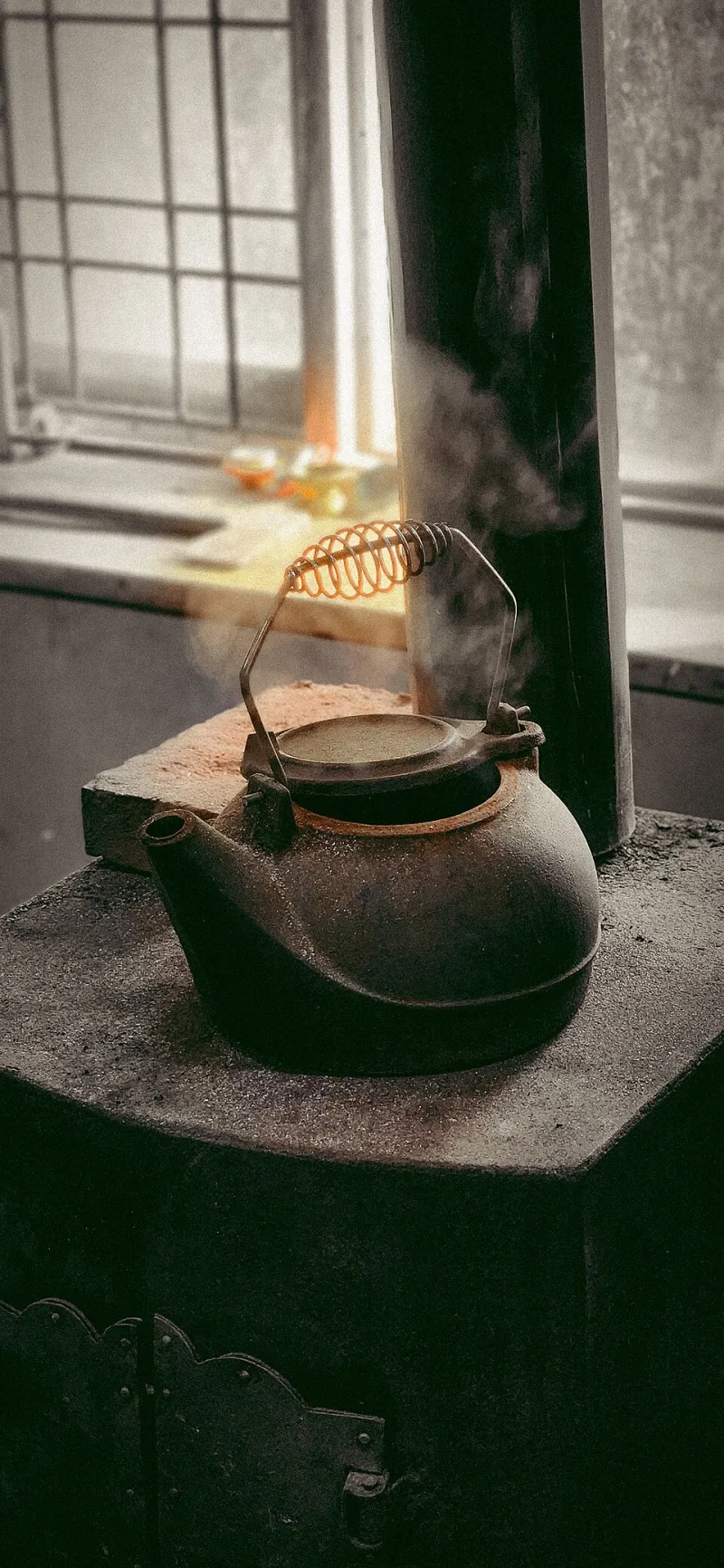
Photo: Capturedbyalish, CC BY-SA 4.0, via Wikimedia Commons
There is a particular kind of tiredness that arrives in a British winter. It is not always the bone-deep exhaustion of a bad night’s sleep. Often it is the softer, heavier feeling of waking while the sky is still black, hearing rain against the window, and deciding that the day can wait until you have checked your phone. That decision takes about four seconds. The next twenty minutes disappear into email, news alerts and a group chat about bins.
The kettle is a better place to start.
Not because tea is a personality trait, and not because anyone needs a perfect morning routine. It is because dark mornings ask too much of willpower. A small physical cue asks almost nothing. You do not have to feel motivated to fill the kettle. You just have to reach for it.
Why willpower struggles when the light does not
In December, sunrise in much of the UK arrives after eight in the morning. For plenty of people, the commute begins in darkness and ends in it. The body is being asked to switch on before the day has given it much evidence that morning has started.
Willpower is expensive in those conditions. It is also unreliable. If your plan for a healthier morning is simply to decide, firmly, that you will not look at your phone, you are relying on the most tired version of yourself to make a good choice at the exact moment your phone is designed to be irresistible.
Tiny cues work differently. They lower the cost of the first step. A cue can be a sound, an object, a position in the room, or a habit you already do without thinking. Habit stacking — attaching a new action to an existing one — works because you are not trying to invent a new life from scratch before breakfast. You are piggybacking on something that already happens.
The kettle is the classic example. Most tea drinkers do not decide to boil the kettle. They just do it. That makes it a useful anchor for the rest of the morning.
The seven-minute reset
Treat this as a sequence, not a timetable. Seven minutes is a rough guide, not a stopwatch. The point is to create a short run of physical actions that carry you from bed to day without handing the first ten minutes of your attention to a screen.
Minute one: put the kettle on
Before you check anything, fill the kettle and switch it on. If you are not a tea or coffee drinker, boil water for a hot drink anyway, or simply run the tap until it is cold and fill a glass. The action matters more than the beverage.
This is also the moment to leave your phone where it is. If it is your alarm, turn the alarm off and put the phone face down. Better still, charge it across the room or outside the bedroom overnight. The goal is not to ban phones from your life. It is to stop the first minute of the day being an open door for everyone else’s priorities.
Minute two: open the curtains
Open the curtains properly. Not a tentative tug that leaves a grey stripe on the carpet. Open them, and if it is safe and reasonable, open a window for a minute. The air will be cold. That is rather the point. Cold air and daylight are simple signals that the night is over, even when the sky is still doing its best impression of a locked room.
If you live in a flat with blinds, raise them. If your only window looks onto a brick wall, open it anyway. You are not trying to create a sunrise. You are trying to give your body a cue.
Minute three: drink a glass of water
Drink some water. Not because it is a cure for everything, and not because you need to track it in an app. Morning dehydration is common, and a glass of water is a small, physical act that does not require a decision. Keep a glass by the sink or a bottle by the kettle so you do not have to hunt for one.
If you take medication in the morning, this is the natural moment for it. If you do not, the water is still a pause. It gives the kettle time to boil and gives you a minute before the day starts asking questions.
Minutes four to six: make the drink and stand still
Make your tea or coffee. Stand by the window while it brews. Do not scroll. This can feel strangely difficult at first. The hand goes to the pocket. The brain says that you are wasting time. You are not. You are letting the morning arrive in a more manageable order.
If standing still is too much, do one small physical task: empty the dishwasher, water a plant, put yesterday’s mug by the sink. The point is to keep the sequence moving without opening the floodgates.
Minute seven: set one small intention
Before you sit down or leave the house, name one thing you want the day to contain. Not a to-do list. Not a five-year plan. One small intention. It might be: send the awkward email before lunch. Walk for ten minutes at some point. Eat something that is not a biscuit at your desk. Ask a colleague how they are and actually listen.
Say it out loud if you live alone, or write it on a sticky note if that helps. The intention should be small enough to be believable on a dark morning. If it feels like a punishment, shrink it.
The point is not a perfect morning
A seven-minute reset will not make winter feel like summer. It will not fix a difficult job, a noisy flat or a body that is genuinely exhausted. It is a small piece of structure, not a cure.
What it can do is interrupt the automatic reach for the phone. It can turn the first few minutes of the day from a scramble into a sequence. And because the sequence is built on things you already do — boiling water, opening curtains, drinking — it does not depend on you feeling especially disciplined.
Some mornings will go wrong. The kettle will take forever. You will open the curtains and immediately close them again. You will forget the water and remember the phone. That is fine. The habit is not the perfect execution of seven minutes. The habit is coming back to the first cue.
Tomorrow morning, before you check the world, put the kettle on. Let that be the first thing you do. The rest can follow.