Catch the Light: The Ten-Minute Winter Ritual That Lifts the Afternoon Slump
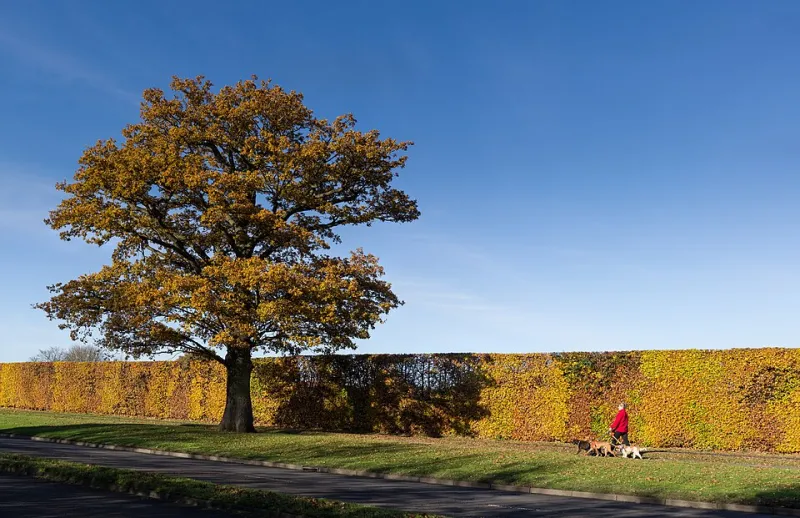
Photo: Colin, CC BY-SA 3.0, via Wikimedia Commons
Somewhere around 3pm on a grey November day, the UK working day develops a familiar drag. The radiator is on, the sky has gone flat and pewter, and your brain starts negotiating with the kettle. It is not laziness. Winter afternoons are a pile-up of shorter daylight, cooler rooms, end-of-day routine and the quiet pressure of everything still on your list.
The good news is that you do not need a wellness overhaul to feel more human. A ten-minute light-and-movement ritual, done before sunset or as close to it as you can manage, can give the afternoon a shape and a lift. Think of it as a small appointment with the day. Not a fitness challenge, not a productivity hack, just a reliable cue that says the afternoon is not finished yet.
Why winter afternoons feel so heavy
Daylight is the big one. Your body clock takes cues from light, especially in the morning and around the edges of the day. In a UK winter, plenty of people leave home in dim light and finish work in the dark. If the middle hours are spent under office lighting or a laptop screen, your system gets a slightly confusing message about what time it is.
Movement matters too. Sitting still for long stretches can make any afternoon feel longer. A short walk, a few stairs, even a lap of the garden changes blood flow, breathing and the amount of sensory input your brain is getting. Routine helps as well. When the afternoon has a predictable marker, you are less likely to drift into the sofa-and-scroll zone at 4pm.
There is an emotional layer, too. November in the UK brings Christmas creep, higher energy bills, darker commutes and the sense that everyone else is coping better. A small ritual will not fix structural problems or treat seasonal affective disorder. If low mood is persistent and affecting daily life, talk to your GP. But for the ordinary winter dip, a simple reset is worth trying.
The ritual: ten minutes, one cue
The core habit is simple: ten minutes of light and movement before sunset. You can call it whatever you like. The point is that it happens at roughly the same time each day, and it is short enough that you cannot talk yourself out of it.
- Check sunset. Your weather app will tell you when the light goes. In November and December, that can be early afternoon in northern parts of the UK, so plan around it rather than pretending you will remember.
- Put on a layer and go outside, or get as close to daylight as possible. A doorway, a balcony, a garden or a walk round the block all count. If it is already dark, do the movement by a window or with the main lights on and keep it short.
- Move gently. Walk, march on the spot, stretch, take the stairs or do a lap of the park. You are not training for anything. You are changing the channel.
- Notice one thing. The temperature, the smell of the air, a tree, a shop window, the sound of traffic. This is not mindfulness homework. It is a way to stop the afternoon blurring into one long screen.
- Set a tiny next step. Before you go back inside, decide the one thing you will do next. Answer that email, make the tea, start the report. A ritual works better when it ends with a bridge back to real life.
Adapt it to your day
If you work from home
Keep your shoes and coat by the door. The friction is the enemy. A ten-minute loop around the block before your 3pm tea is easier than a grand plan to go to the gym at 6pm. If your calendar is back-to-back, stand by an open window and march on the spot for two minutes, then walk to the kitchen and back. Switch on a bright lamp at 3pm as your cue, but do not mistake it for daylight. The lamp is the starting pistol, not the whole race.
If you commute
Use the edge of the journey. Get off one stop early, walk the long way to the station, or take a lap of the block before you go into the office. On dark evenings, stick to well-lit routes and wear something reflective. This is not about heroics in the rain. It is about finding the smallest version that still works on a wet Tuesday.
If you have caring responsibilities
Anchor the ritual to something you already do. Walk to the school gate a few minutes early. Do a lap of the garden while the kettle boils. Put the baby in the sling and stand outside for five minutes. The habit does not need to look like a wellness influencer's morning routine. It needs to fit the life you actually have.
The small-habits plan
Week one: pick one cue. The 3pm tea, the end of a meeting, the school pick-up, the train home. Attach the ten-minute ritual to that cue and aim for three days out of seven. That is it.
Week two: rate your energy before and after, from one to five. Do not overthink it. A simple note on your phone is enough. You are looking for a pattern, not a transformation.
Week three: protect the minimum. On chaotic days, do two minutes by an open window. A tiny version keeps the habit alive and stops the all-or-nothing voice taking over.
After a fortnight, review. Did the ritual make the afternoon feel more manageable? Did it make bedtime easier or harder? If it is not working, move it earlier, shorten it or change the movement. Small habits, lasting change is not about getting it perfect on day one. It is about making the habit easy enough to repeat and useful enough to keep.
By the time the really dark weeks arrive, you will have a cue, a route and a bit of evidence. That is worth more than a January pledge you abandon by the second week.