The Biscuit You Didn't Choose: How 'Just One More' Quietly Costs You
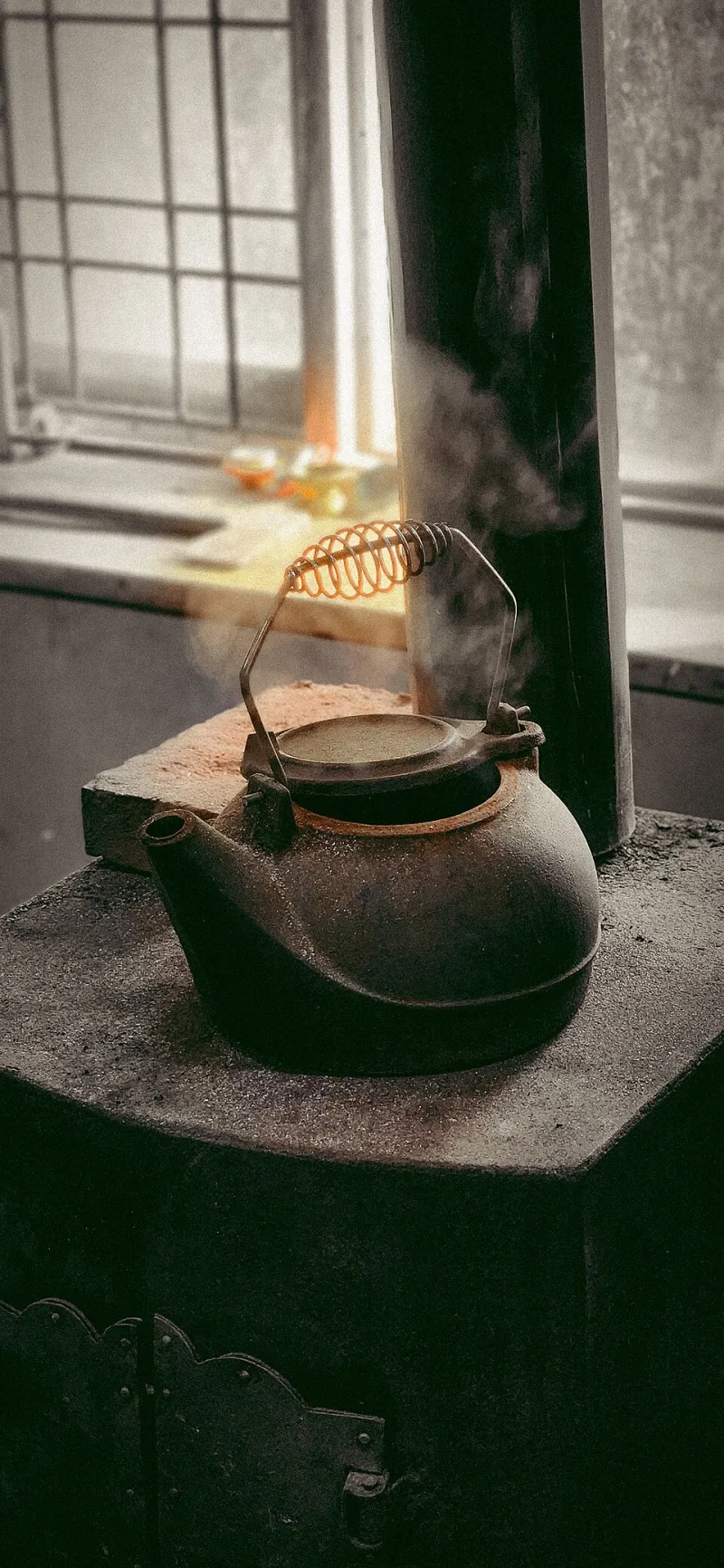
Photo: Japanexperterna.se, CC BY-SA 2.0, via Wikimedia Commons
It is rarely the third glass of wine or the abandoned gym membership that does the damage. It is the biscuit at 3:40pm. The one more episode at 11pm. The five-minute scroll that becomes forty. None of these decisions feels expensive in the moment. That is the trick. 'Just one more' is a tiny loan against tomorrow, and the interest is paid in sleep, focus and energy.
My argument is simple: the big reset gets the attention, but the micro-choice does the damage. If you want to feel different by the end of the month, stop trying to overhaul your life in one weekend and start noticing the small negotiations you have with yourself every day.
The quiet maths of 'just one more'
One biscuit is not a health problem. One episode is not a sleep crisis. One scroll is not a lost evening. The problem is that 'just one more' rarely arrives alone. It comes with a permission slip: I have had a long day, I will start properly on Monday, I deserve this. The permission slip is not the issue either. The issue is that the behaviour is repeated often enough to become the default.
Think about the last time you felt flat at 3pm on a Tuesday. Was it really a lack of willpower? Or was it the result of a late night, a broken scroll, a lunch that was mostly coffee and a biscuit? Small choices stack. They stack quietly, which is why we notice the outcome but not the cause.
Why micro-choices matter more than the big reset
Habit-loop thinking gives us a useful map: a cue triggers a routine, and a reward tells the brain to do it again. The cue might be the kettle boiling, the sofa, the phone buzzing, the end of a TV episode or the 3pm slump. The routine is the biscuit, the scroll, the next episode. The reward is a moment of relief, stimulation or escape.
You can attack any part of that loop, but the most practical place is between cue and routine. That gap is where friction lives. If you make the routine slightly harder to start, you give your thinking brain a chance to catch up with your autopilot.
This is why dramatic overhauls often fail. They ask you to change everything at once, usually when you are already tired. Friction asks something smaller: can you put one obstacle between the cue and the thing you regret? That is a much more realistic request for a wet Wednesday in November.
Friction: the cheapest habit-breaking tool you have
Friction is not punishment. It is a speed bump. You are not banning the biscuit or the episode; you are making the decision slightly more deliberate. A few seconds of extra effort is often enough to break the automatic reach.
Here is what that looks like in practice. Put the biscuit tin in a cupboard rather than on the counter. Charge your phone in the hallway overnight. Turn off autoplay. Log out of the app you open without thinking. Keep the remote in a drawer after one episode. None of these is dramatic. That is the point.
Four tactics to try this week
1. Add twenty seconds. If a behaviour takes twenty seconds longer to start, you are much less likely to do it on autopilot. Move the phone, hide the remote, put the snacks out of reach. Twenty seconds is enough time for the cue to lose its grip.
2. Pre-commit to one small rule. Not a lifestyle change. One rule. One episode, then the kettle. Phone stays out of the bedroom. Biscuits live in the cupboard, not on the worktop. Write the rule down if it helps. Keep it boringly specific.
3. Swap the reward, not just the routine. If the 3pm biscuit is really a plea for a break, give yourself a different break. Walk to the kettle and back. Step outside for two minutes. Make a cup of tea and drink it away from your desk. You are not denying the need; you are changing how you meet it.
4. Use a closing ritual. The end of a scroll or an episode is vague, which is why 'just one more' slides in. Create a clear finish: close the laptop, put the remote in the drawer, say 'done' out loud, set a timer for the scroll. A ritual gives your brain a line to cross.
British examples, because context matters
The office cake table is a cue. The 4pm kettle is a cue. The sofa and the iPlayer autoplay are a cue. The phone on the bedside table is a cue. None of these is uniquely British, but they are familiar enough to feel real. We are a nation of small rituals — the brew, the biscuit, the telly — and those rituals are not the enemy. The enemy is the ritual you did not choose.
Take the biscuit tin at work. If it sits open on the desk, you will eat from it. If it is in a drawer and you have to open the drawer, you will eat from it less often. That is not a moral improvement. It is a design change. The same goes for the phone: if it is in another room, the scroll has to be a decision rather than a reflex.
Name it before you negotiate with it
You cannot friction-proof a habit you have not noticed. So start with naming. For one day, keep a loose note of every 'just one more' moment. Not to judge it — just to see it. Was it the biscuit, the episode, the scroll, the extra coffee, the second helping? What came just before? What were you hoping to feel?
That information is more useful than another failed overhaul. It tells you where to put the speed bump. It also takes the shame out of the equation. You are not weak because you reach for the biscuit tin. You are human, and the tin is right there.
Move the tin. Turn off autoplay. Put the phone in the hall. Then go to bed a little earlier and see how tomorrow feels. The most expensive habit in Britain is not the one you announce. It is the one you barely notice. Name it, and you get a choice.