The Full-Stop Jar: An Evening Ritual for People Who Never Quite Clock Off
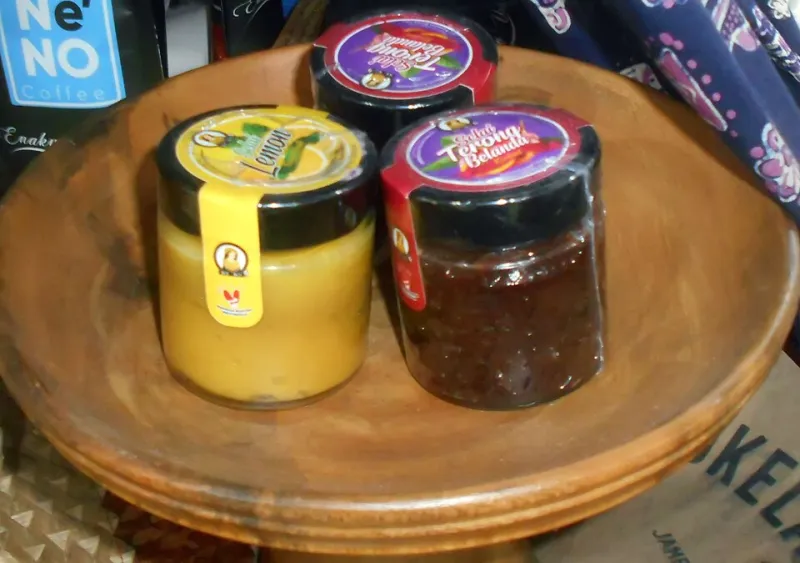
Photo: Firzafp, CC BY-SA 4.0, via Wikimedia Commons
It is half past nine on a damp November evening. The heating has clicked off, the tea has gone cold, and your brain is still running through the day like a referee reviewing the match. You meant to send that email. You should have booked the dentist. Did you ever reply to the message from your sister? The day is technically over, but it does not feel finished.
That feeling is not a character flaw. It is what happens when modern life gives us a hundred open tabs and almost no full stops. The to-do list is endless by design. The phone keeps suggesting more. Even the fridge seems to hum with unfinished business. So here is a small, physical ritual that asks almost nothing of you: write one completed thing on a slip of paper and drop it into a jar.
Why the day never feels finished
Most of us are not short of things to do. We are short of evidence that anything has been done. A to-do list is a record of what is still waiting. It rarely shows the twenty small things that disappeared from the list simply because you did them without ceremony: the form filled in, the bin put out, the awkward phone call made, the soup defrosted, the child collected, the laundry rotated.
In winter, this blur gets worse. Darkness arrives before the working day has properly ended, and the boundaries between work, home and rest start to dissolve. You can spend an evening on the sofa and still feel like you are on duty. The jar is not trying to solve that with a colour-coded system. It is simply giving the day a visible edge.
What the jar actually is
Find a jar. A jam jar, a pickle jar, an old coffee jar with the label soaked off. Put it somewhere you will see it but not stare at it: the kitchen worktop, the hallway shelf, beside the kettle. Keep a pen and a small stack of paper slips nearby. That is the whole kit.
Each evening, write down one thing you finished. Not the biggest thing. Not the most impressive thing. One thing that is now done. Fold the slip, drop it in, and leave it there. You do not need to read it back. You do not need to photograph it. You are not building a case for Employee of the Month. You are building a small, private record of enoughness.
This is not a gratitude journal, though it may make you feel grateful. It is not a habit tracker, though it is a habit. And it is definitely not a productivity system, because productivity systems tend to ask you to optimise the thing you have just done. The jar asks you to notice it and move on.
The two-minute version
Place the jar where your evening tends to begin. For many people, that is the kitchen. After the plates are cleared, or after the kettle has boiled for the last cup of tea, take a slip and write one line. Keep it plain. 'Rang the council.' 'Walked at lunchtime.' 'Made tomorrow's lunch.' 'Finally sorted the drawer of doom.' Fold it, drop it, and say — out loud if you like — 'Done for today.'
If you forget, you have not failed. There is no debt to repay. The jar does not sulk. Tomorrow evening, write one thing and carry on. The ritual is meant to be lighter than the day it is closing, not another item on the list.
What counts as done
Almost anything counts, as long as it is true. You sent the email you had been avoiding. You went to the shop instead of ordering in. You put the bins out before the lorry came. You rang your mum. You sat down for ten minutes without a screen. You got through a difficult meeting and made a cup of tea afterwards.
Notice that none of these are achievements in the LinkedIn sense. They are the ordinary scaffolding of a life. The jar works because it treats the ordinary as worth marking. A day does not have to be productive to be complete. It just has to be lived, and then gently closed.
The trap to avoid
Do not turn the jar into a scorecard. Do not write tasks for tomorrow on the slips. Do not compare your jar with anyone else's, and try not to compare it with your own from last month. You are not collecting evidence for a tribunal on your worth. You are giving your brain a small, tactile signal that the day has ended.
You also do not need to empty the jar every week. Leave the slips alone for a month or two. Then, on a quiet Sunday, tip them out and read a few. You may be surprised by how much ordinary life has accumulated while you were busy feeling behind.
Why it works in the dark months
Winter is not just darker; it is less defined. The morning starts in gloom, the afternoon folds into night, and the evening can feel like a waiting room for tomorrow. A jar on the worktop will not fix the weather or the news. But it is a small, warm anchor: a physical object that says this day happened, and some of it was finished.
At Your New Life Plan, we are wary of habits that become another job. This one is deliberately modest. It takes two minutes, needs no app, and costs nothing if you already have a jar. It will not make you a different person by Friday. It might, however, help you stop carrying Tuesday around on Thursday.
So tonight, before you start mentally drafting tomorrow's list, write one line. Fold it. Drop it in. Let the jar hold the full stop.