One Line Before You Get Off: A Seven-Day Noticing Experiment for the Daily Commute
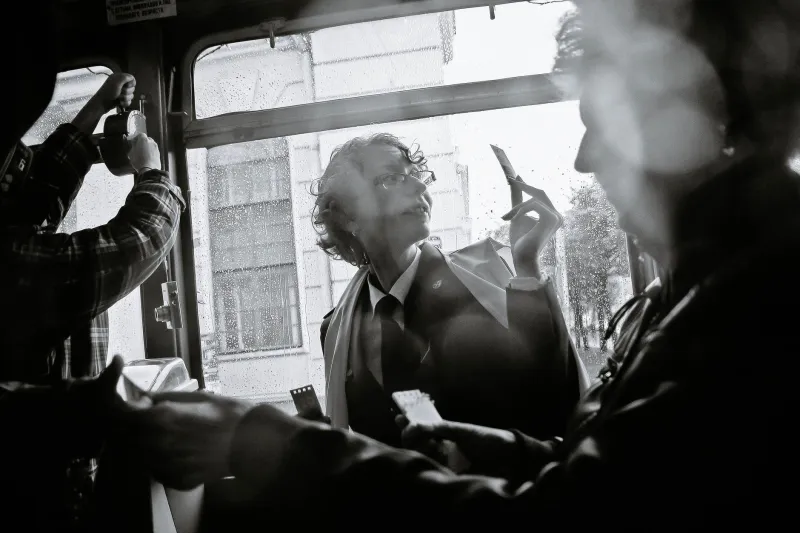
The 7:42 is late. The rain is coming in sideways. Someone is playing music through a phone speaker and the whole bus is pretending not to hear it. This is not the moment you feel like starting a journalling habit.
Good. This is not that.
This is a seven-day experiment in noticing. You need a spare bus ticket, the back of a receipt, or a tiny notebook that already lives in your coat pocket. You need one sentence per journey. That is the whole plan. It is not about processing your feelings, mapping your goals or becoming the sort of person who owns a nice pen. It is about giving the commute a little texture, so it stops feeling like a corridor between sleep and work.
At Your New Life Plan, we are keen on habits that ask very little and give something back. This is one of them.
The rule: one line is enough
The rule is deliberately small. On each journey, write one sentence about something you noticed outside your own head. It can be dull. It can be obvious. It can be the fact that the bus shelter smells of wet wool and chips. The point is not to be interesting. The point is to be there.
One line per journey. No catching up. No making up for lost days. If you forget, the experiment does not collapse. You just write the next line when you next travel. The bar for success is low because low bars actually get crossed.
Why this is not journalling, even though it uses paper
Journalling can be lovely, but it often arrives with homework energy. There is the pressure to reflect properly, to find the lesson, to write something you would not be embarrassed for someone to read. This is different. Think of it as a field note, not a diary entry.
You are not building a memoir. You are building a small shelf for the day. A line like 'the driver waited for the man running in the rain' does not require analysis. It just records that the morning contained something other than your inbox and your own circling thoughts. Over a week, those small records add up to a quiet argument against the idea that every commute is wasted time.
Seven days, loosely
You do not need to follow this day by day like a timetable. But a bit of structure helps.
Day one: the waiting part. Notice something at the bus stop or on the platform before you get on. The queue, the weather, the way everyone stands in a little huddle under the shelter. Write one sentence. That is it.
Day two: the human detail. On board, spot one small thing another person does. Someone gives up a seat. A teenager shares an earphone. A stranger moves a rucksack so someone can sit down. Write it down without turning it into a lesson about society.
Day three: the light. November mornings are thin and grey, and the afternoon goes dark before you have properly woken up. Notice what the light is doing. The bus window like a smeared mirror. The orange glow of a shop window. The way the streetlights come on at half past four. One line.
Day four: the sound. The announcement says 'see it, say it, sorted' and the whole carriage ignores it together. Someone's ticket machine beeps. The rain drums on the roof. Write down one sound you would normally filter out.
Day five: the small kindness. Look for one ordinary act of patience. The driver who waits. The person who holds the door. The commuter who steps aside. It does not have to restore your faith in humanity. It just has to be true.
Day six: the less lovely thing. This is not a gratitude diary. If the train is packed and someone's rucksack is in your ribs, you can write that. 'I am wedged between a coat and a stranger's bag and neither of us said sorry' is a perfectly good line. Accuracy is enough. You do not have to make the commute nice.
Day seven: read it back. At the end of the week, look at your seven lines. They will probably be a mix of weather, strangers, buses and small irritations. That is what a week is. Notice which line you remember. Notice whether the journey felt any different. Do not turn this into a review meeting.
When the commute is genuinely grim
Some journeys are not ripe for noticing. They are crowded, delayed, damp and annoying. This habit is not a demand to find silver linings. It is a way to stay in contact with the day rather than mentally fast-forwarding through it.
If you are having a rough morning, the line can be flat. 'The platform was cold and I wanted to be back in bed.' That counts. Resilience is not pretending everything is fine. It is having a little more room around the thing that is not fine. A single sentence can do that. It gives the morning a shape without asking you to solve it.
The smallest version
If seven days feels like too much, do one journey. If one journey feels like too much, do the walk to the bus stop. The habit is not the notebook. The habit is the pause.
Keep the ticket in your pocket. Write the line before you get off. Let it be small, ordinary and slightly boring. Then go about your day. Small habits, lasting change — and sometimes that change starts with one sentence about a rainy bus stop.